
When a routine blood panel comes back showing elevated LDL cholesterol, it is completely normal to feel a wave of anxiety. As a health practitioner, I see this in my clinic every single day. Many patients sit in my office, worried that a high lipid count automatically means a lifetime of heavy medications. I always reassure them: take a deep breath.
While medication is absolutely necessary for some, your first line of defense—and often your most powerful tool—is right in your kitchen.
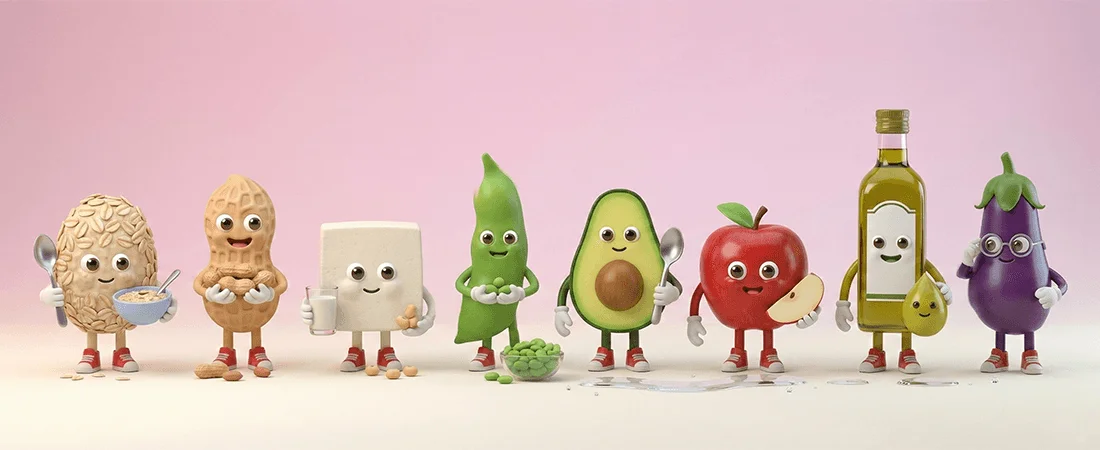
I prioritize dietary intervention as the absolute foundation of lipid management. Taking control of your health isn’t just about avoiding “bad” foods; it is about actively consuming foods that heal. This concept is beautifully illustrated by the Portfolio Diet, a scientifically validated eating pattern developed by Dr. David Jenkins at the University of Toronto. Research has consistently shown that integrating a specific “portfolio” of cholesterol-lowering foods can reduce your LDL (the “bad” cholesterol) by up to 30%. That is a reduction comparable to early-generation statin medications!
Let’s explore 8 clinical superfoods that are scientifically proven to lower LDL cholesterol through specific biological mechanisms, and how you can use them to protect your heart.
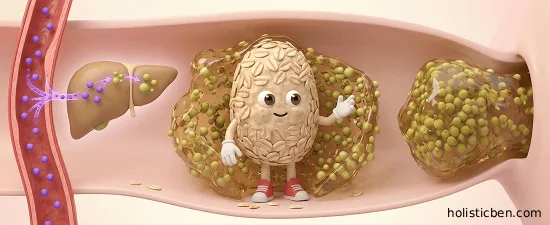
1. Oats: The Bile Acid Trapper
- The Key Component: Beta-glucan (a highly viscous soluble fiber).
- The Science: When you eat oats, beta-glucan forms a thick, gel-like substance in your digestive tract. This gel acts like a sponge, trapping cholesterol-rich bile acids and forcing your body to excrete them. Because your liver needs bile acids for digestion, it is forced to pull circulating LDL cholesterol straight out of your bloodstream to produce more. Extensive meta-analyses, including those published in the American Journal of Clinical Nutrition, confirm that consuming just 3 grams of beta-glucan daily significantly reduces circulating LDL levels.
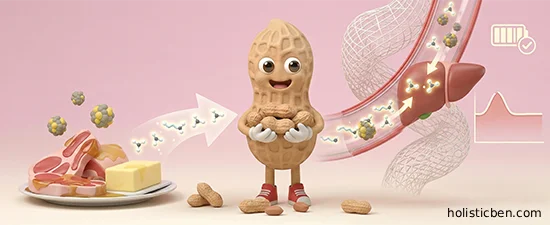
2. Peanuts: The Saturated Fat Substitutes
- The Key Component: Monounsaturated Fatty Acids (MUFAs) and dietary fiber.
- The Science: Replacing the saturated fats in your diet (like those found in fatty cuts of meat or butter) with the plant-based MUFAs in peanuts enhances your body’s ability to clear LDL from the blood. Their natural fiber content also aids in digestive clearance, making peanuts a highly satiating, heart-healthy snack that stabilizes blood sugar while managing lipids.
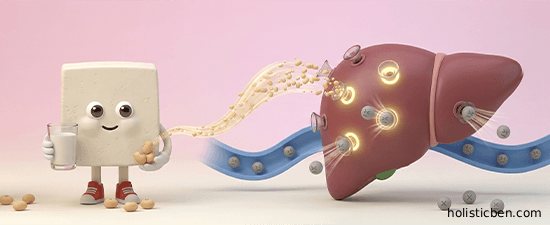
3. Soybeans: The Receptor Activators
- The Key Component: Plant-based soy protein.
- The Science: Substituting animal proteins with soy protein has a direct, targeted effect on the liver. Clinical studies show that soy protein actually activates hepatic (liver) LDL receptors. Think of these receptors as tiny cellular vacuums; when activated by soy, they actively pull “bad” cholesterol out of circulation and process it for safe elimination.
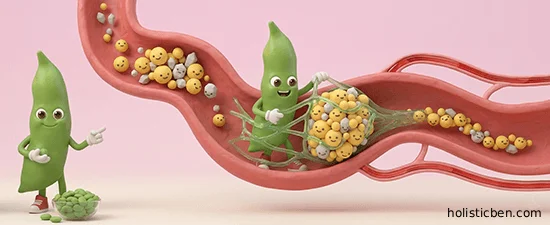
4. Green Beans: The Intestinal Blockers
- The Key Component: Soluble fiber.
- The Science: Green beans are an unsung hero of cardiovascular health. The specific type of soluble fiber they provide binds to dietary fats and cholesterol right in your intestines during the digestive process. By doing so, it physically prevents those fats from ever being absorbed into your bloodstream in the first place.
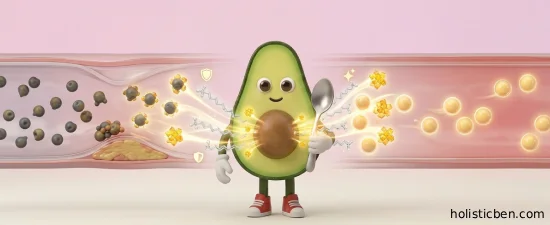
5. Avocado: The Oxidation Protectors
- The Key Component: MUFAs and antioxidants (like lutein).
- The Science: A landmark controlled study published in the Journal of the American Heart Association found that eating one avocado a day on a moderate-fat diet significantly lowered LDL cholesterol. Even more importantly, avocados specifically target small, dense LDL particles—the most dangerous kind that lead to heart disease. Their rich antioxidant profile prevents these particles from oxidizing and turning into hardened arterial plaque.
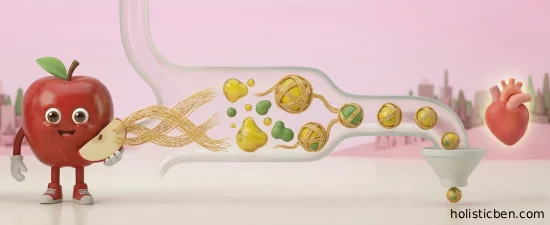
6. Apple: The Cholesterol Sequestrator
- The Key Component: Pectin.
- The Science: The old adage that “an apple a day keeps the doctor away” holds incredibly true for heart health. Apples are dense in a specific soluble fiber called pectin. Similar to the beta-glucan found in oats, pectin sequesters bile acids in the gut, trapping cholesterol and escorting it out of the body before it can cause harm.
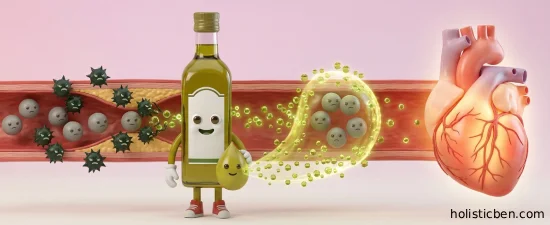
7. Extra Virgin Olive Oil: The Heart Defender
- The Key Component: Polyphenols and Oleic Acid.
- The Science: Extra virgin olive oil (EVOO) is the undisputed cornerstone of the Mediterranean diet. Beyond providing healthy fats, high-quality EVOO is loaded with polyphenols. These powerful plant compounds prevent lipid peroxidation—the destructive process where LDL cholesterol gets damaged by free radicals, which triggers inflammation and leads to blocked arteries.
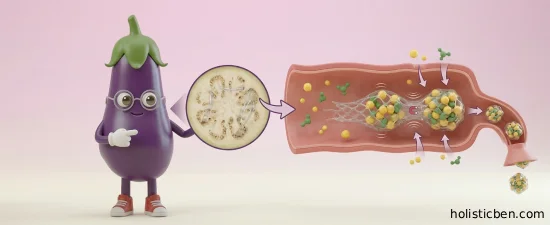
8. Eggplant: The Natural Magnet
- The Key Component: Viscous fiber.
- The Science: Often overlooked in standard diets, eggplant is famous in clinical nutrition circles for its unique, spongy texture, which comes from its high viscous fiber content. In the gut, this fiber acts like a natural magnet, binding to cholesterol and bile acids so they can be safely flushed from the digestive tract rather than reabsorbed into the blood.
Quick Reference: Your Lipid-Lowering Portfolio
| Superfood | Active Component | Primary Biological Mechanism |
| Oats | Beta-glucan | Traps bile acids, forcing the liver to clear blood LDL. |
| Peanuts | MUFAs | Enhances LDL clearance when replacing saturated fats. |
| Soybeans | Soy Protein | Activates liver receptors to pull LDL from circulation. |
| Green Beans | Soluble Fiber | Prevents absorption of dietary fats in the intestines. |
| Avocado | MUFAs & Lutein | Targets dense LDL particles and prevents plaque oxidation. |
| Apple | Pectin | Sequesters bile acids for safe excretion. |
| Olive Oil | Polyphenols | Prevents lipid peroxidation and arterial inflammation. |
| Eggplant | Viscous Fiber | Acts as a gut “magnet” to bind and flush out cholesterol. |
Building Your Heart-Healthy Routine
Integrating these 8 foods isn’t about restriction; it’s about abundance. By thoughtfully combining them throughout your day, you create a powerful, compounding synergy that actively manages your cholesterol. Imagine starting your morning with a warm bowl of oatmeal topped with sliced apples and a handful of peanuts, and finishing your day with an eggplant and green bean stir-fry cooked in extra virgin olive oil alongside a serving of edamame.
Taking control of your cholesterol naturally is entirely possible when you understand the science of what you are eating.
Disclaimer: While dietary intervention is highly effective, it does not replace professional medical advice. Always consult with your healthcare provider or cardiologist for a personalized approach to managing dyslipidemia or before making significant changes to your diet, especially if you are currently taking statins or other medications.